

Understanding Requests for Information (s56) for Partner Visas and Child Visas
Quick Answer: What is an s56 Request for Information?
An s56 Request for Information (RFI) means the Department of Home Affairs needs more evidence or information to assess your partner or child visa application. It is a standard part of the process — not a refusal, and not always a cause for alarm.
- What it is: A formal request from the Department for specific documents or evidence they need to make a decision on your application.
- Deadline: Usually 28 days from the date of the request. Sometimes 14 days, or as short as 7 days. NOTE: Since April 2026 you usually get one shot only! Get it right ASAP!
- When it’s straightforward: Providing an updated police clearance or a missing marriage certificate — you can handle this yourself.
- When it’s serious: Requests for evidence that your relationship is genuine, or for court documents relating to character concerns. If in doubt, get professional help before responding.
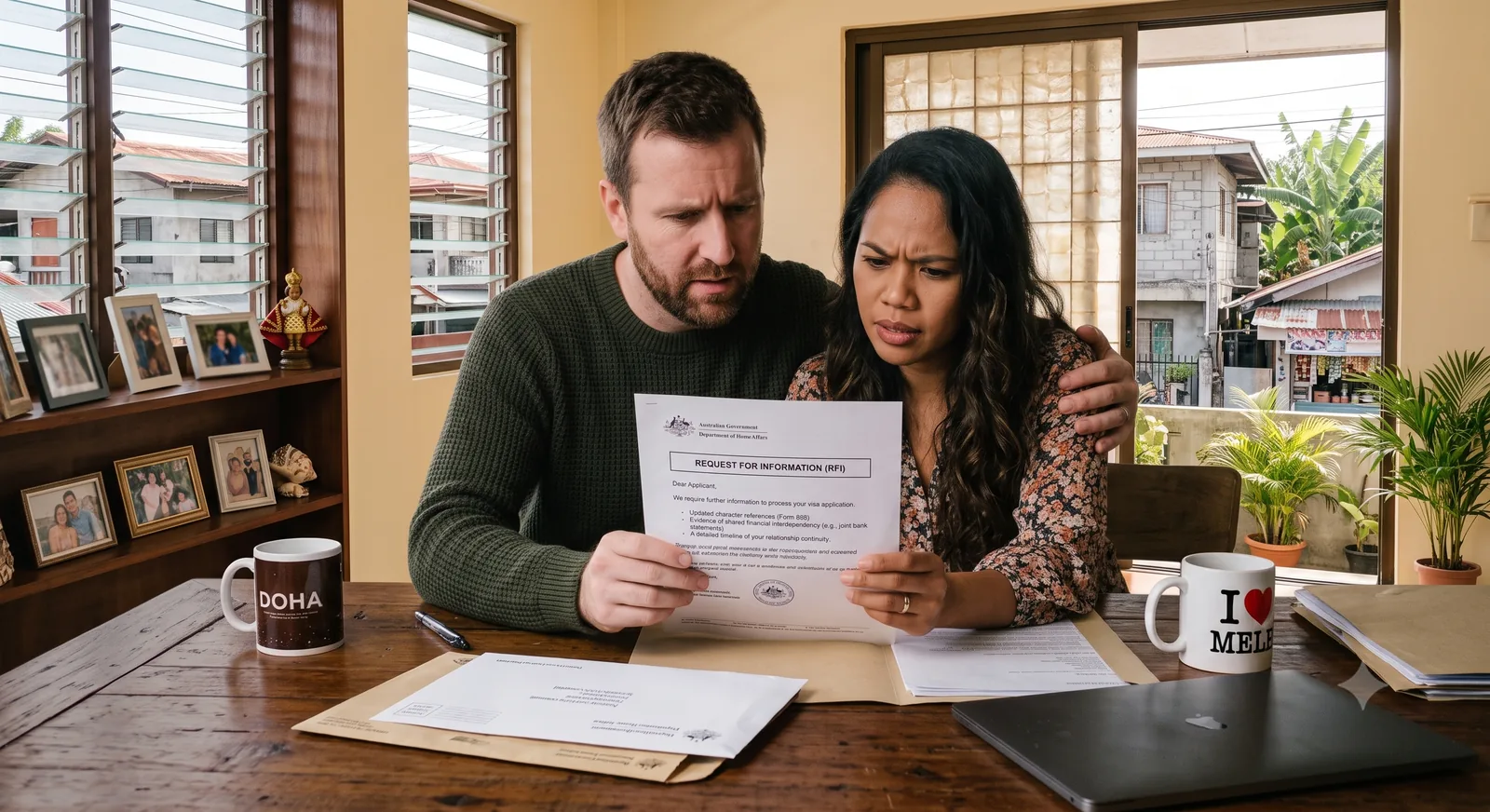
What Does the Email Mean?
Receiving an email with a “Request for Information (s56)” in the subject line is a sign that the Department needs more evidence or information to assess your application before they can make a decision.
When you receive this correspondence from the Department, here is what you can generally expect:
- The Content: It will typically explain that the Department needs your help to assess your application, and will include an attached checklist telling you what evidence or documents you need to provide.
- The Deadline: You generally have 28 days to respond from the day you are asked. It may be 14 or even 7 days.
Is an RFI a Cause for Concern?
The request can be either a small matter or a large one — it really depends on what is being asked.
Straightforward Requests
For simple tasks, handling the RFI yourself is recommended for value for money.
- Examples: Providing an updated police clearance or a forgotten marriage certificate is straightforward.
- Do you need help? Anyone can complete these simple tasks easily. There is no reason in the world where you would need to consult a professional for an obvious request. And we are OK with this.
Complicated Requests
If the RFI is confusing or complicated to you, your application may be at risk — though this is not said to try and be scary. But it is definitely a serious matter, and it definitely means they are not satisfied with what they’ve received so far.
- Examples: You may need to provide documents that convince the Department that your relationship is genuine, or prove that you meet specific character or health requirements. They may also have questions about information or documents that you’ve sent them.
- Do you need help? If the request is not so obvious to you, you logically will worry about leaving the Department unsatisfied again. In these cases, you may wonder if you should ask for professional help so your application is not at risk of refusal.
Examples of Complicated Requests
The following are examples of s56 requests that are usually serious and may benefit from professional review before you respond:
- Evidence of your continuing relationship with your spouse from December 2025 to present
- Evidence that relationship has ended with former spouse or de facto partner
- Court documents (including sentencing remarks, police fact sheets, and copies of AVO / IVO / DVO)
- Copies of sentencing remarks and court transcripts for specified offences, and any comments relevant to your conduct and rehabilitation
- Evidence of applicant’s relationship with parent — at the time of birth, or evidence of parents’ relationship
- Certificate of Finality (duly certified by the Clerk of Court) for all criminal cases listed in your National Bureau of Investigation (NBI) Certificate
- Evidence of relationship from the time the application was lodged up to present
- CAV — a Certification, Authentication and Verification from the Philippine Department of Education with details of your Elementary School Records, with Apostille from the Department of Foreign Affairs (DFA)
If your RFI includes any of these, or something similar, this is where a mistake can cost you the visa. Consider getting a professional review before you respond.
Next Steps and Professional Help
If you receive an RFI, first look closely at the advice provided in the Department’s letter and checklist.
- Evaluate Your Options: Decide if the request is an easy suggestion you can do yourself, or if you need to seek an estimate for a professional’s cost per hour.
- Submit Your Documents: If you handle it yourself, you can go ahead and upload your documents directly to your ImmiAccount.
- Hiring a Professional: If you choose to organise a consultation and hire help, there will be a fee. You will sign an agreement outlining your funds, which are kept safely in a Client Account and are not used until the job is done.
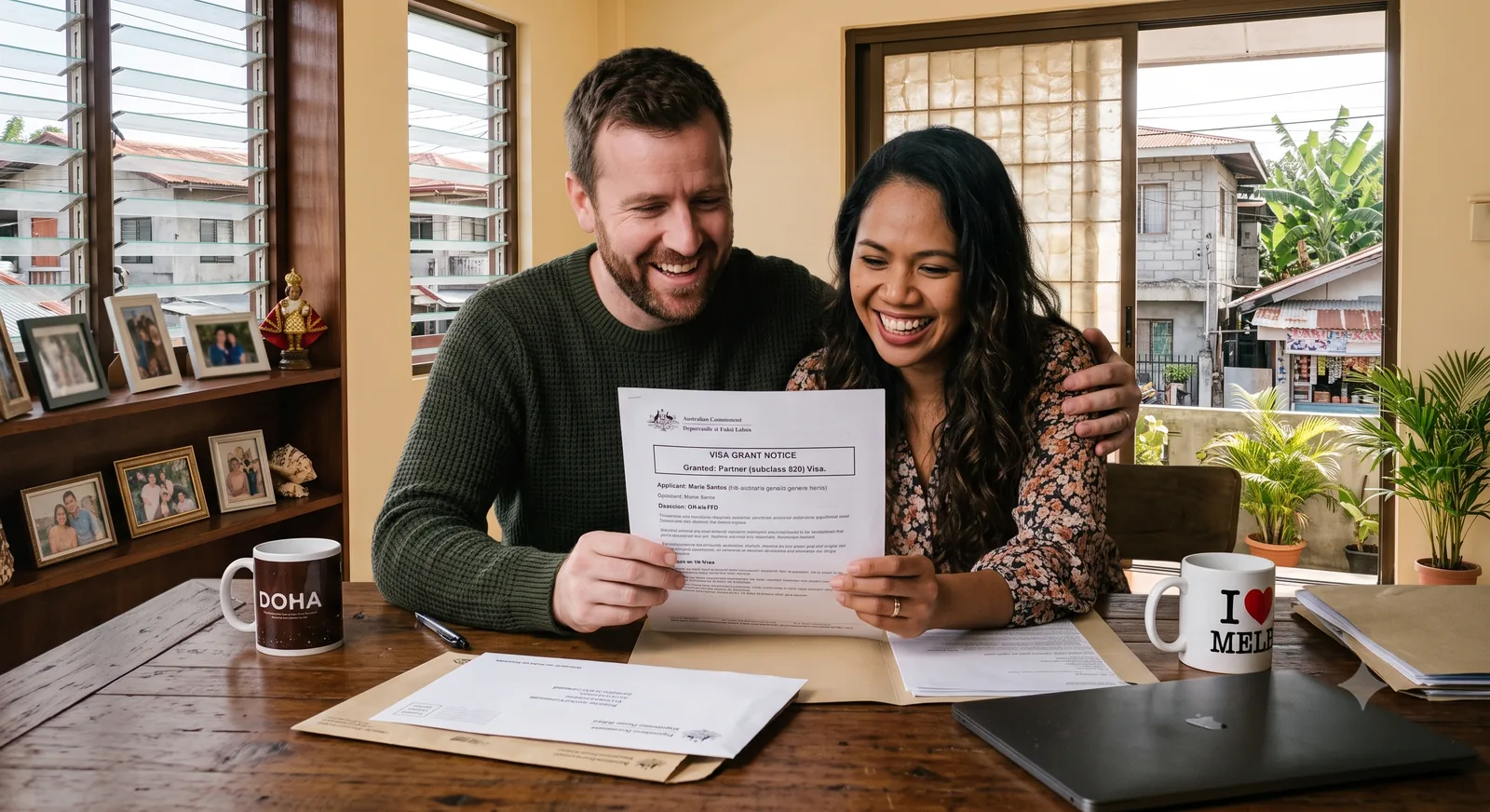
Now, let’s see if we can solve your problem for you!
Please fill in the questionnaire below, and upload your s56 Request for Information letter and checklist.
Jeff Harvie will get back to you shortly after. No obligation or payment due at this point.
DISCLAIMER
Information contained in this page is of a general nature. Informative, yes, but not a formula for preparing responses to Requests for Information, and should not be relied on as such. The devil is in the detail. Australian migration law is complicated and Departmental decisions are inflexible and often final. Readers and future visa applicants and sponsors are advised to rely on professionals to ensure a happy outcome.
Jeff Harvie, RMA (MARN 0959797) — www.downundervisa.com